
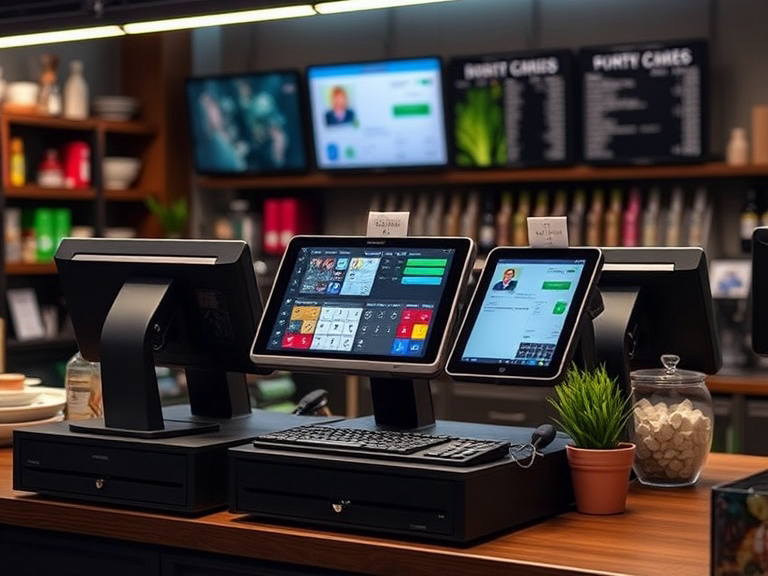
In today’s competitive business world, managing sales and promotions efficiently is crucial to driving growth. One powerful tool that helps businesses streamline these processes is a POS (Point-of-Sale) system. By integrating POS services for managing sales and promotions, businesses can enhance their sales tracking, automate promotional activities, and ultimately improve revenue. In this guide, we’ll explore how POS systems help businesses optimize sales management and promotion strategies, along with the essential features that make these systems a game-changer.
What is a POS System?
A POS system is a combination of hardware and software designed to help businesses complete sales transactions. It records customer purchases, processes payments, and manages inventory in real time. A robust POS system goes beyond simply completing transactions; it provides insights into sales performance, customer behavior, and inventory levels, making it an essential tool for businesses of all sizes.
Key Functions of a POS System:
- Transaction Management: POS systems process sales transactions, handling everything from barcode scanning to payment processing.
- Sales Tracking and Analytics: They collect and analyze sales data, offering real-time insights into customer purchasing patterns and inventory turnover.
- Inventory Control: Automated inventory updates help prevent stockouts and overstocking, ensuring efficient stock management.
- Customer Relationship Management (CRM): Many POS systems include CRM features to manage customer data and personalize marketing efforts.
By integrating POS services for managing sales and promotions, businesses can leverage these features to create seamless, data-driven promotional strategies.
The Role of POS in Managing Sales
A primary function of any POS system is sales management. With the ability to track sales in real time, businesses can gain insights into product performance, customer preferences, and revenue trends. These insights help businesses make data-driven decisions that optimize inventory, improve sales strategies, and enhance overall profitability.
Key Benefits of POS for Sales Management:
- Real-Time Sales Reporting: With accurate, up-to-date sales data, businesses can assess the performance of products and adjust sales strategies quickly.
- Sales Performance Analytics: Detailed reports allow businesses to identify trends, such as best-selling items or sales spikes, that can inform future promotions.
- Improved Stock Management: With integrated inventory tracking, businesses can manage stock levels effectively, avoiding stockouts or excess inventory, which directly affects sales.
Using POS systems to manage sales helps businesses maintain control over their operations while maximizing revenue opportunities. Real-time data and insights allow business owners to focus on improving the customer experience and increasing sales conversion.
How POS Services Simplify Promotion Management
Managing promotions can be a complex task, but a modern POS system simplifies the process. Whether it’s offering discounts, running seasonal sales, or launching targeted marketing campaigns, POS services for managing sales and promotions make it easy to track and measure promotional success.
Managing Discounts and Coupons:
POS systems can automatically apply discounts and promotions at checkout, ensuring accuracy and reducing manual errors. Businesses can set up custom discount rules, such as percentage-based discounts, dollar-off coupons, or bundle deals. This automation speeds up transaction times and ensures promotions are applied correctly.
Campaign Tracking:
One of the key features of POS services is their ability to track promotional campaign performance. Whether you’re running a flash sale or a loyalty rewards program, POS systems can provide insights into how well these campaigns are performing. Metrics such as sales volume, average transaction value, and customer participation allow businesses to evaluate the effectiveness of their promotional efforts.
Customer Segmentation:
A POS system allows businesses to segment their customer base based on purchase history, location, and demographics. This segmentation enables targeted promotions, such as sending discounts or personalized offers to specific customer groups. The ability to tailor promotions based on customer behavior helps businesses maximize the effectiveness of their marketing efforts.
By using POS systems for managing promotions, businesses not only automate the process but also gain valuable insights into customer preferences, sales performance, and campaign effectiveness.
Key Features of POS Services for Managing Sales and Promotions
When selecting a POS system to manage both sales and promotions, it’s essential to choose one with the right features. Below are the key features that make POS services invaluable for businesses looking to optimize sales and promotional strategies.
1. Real-Time Sales Reporting and Insights
A good POS system provides detailed reports on sales data, allowing businesses to track performance in real time. These reports help businesses identify top-selling items, peak sales periods, and inventory turnover rates. By understanding these patterns, businesses can create targeted promotional campaigns that align with demand and customer preferences.
2. Discount Automation and Flexibility
Modern POS systems allow businesses to create flexible discount rules, such as time-sensitive promotions, loyalty rewards, and bundle offers. Automating the application of these discounts ensures that promotions are correctly applied, reducing errors and saving time. POS systems can also be configured to apply promotions automatically at checkout based on certain conditions (e.g., “Buy 1 Get 1 Free”).
3. Customer Loyalty Integration
A successful promotion often involves encouraging repeat business, and POS services help facilitate this by integrating loyalty programs. These programs reward customers for repeat purchases and can be customized based on specific business goals. For example, businesses can offer points for each purchase, which customers can redeem for discounts or free products.
4. Multi-Channel Integration
Many businesses operate both physical stores and online platforms. The ability to manage promotions across multiple channels is crucial for maintaining consistency. POS systems can integrate with e-commerce platforms, ensuring that promotions are consistent whether customers are shopping in-store or online. This integration enables businesses to run omnichannel campaigns that reach a broader audience.
5. Promotional Campaign Tracking
POS systems provide valuable analytics to help businesses measure the success of promotional campaigns. Metrics like sales increase, customer engagement, and redemption rates give businesses the data they need to assess the effectiveness of a promotion. This allows for adjustments to be made in real time, ensuring that promotions are optimized for maximum impact.
Benefits of Using POS Services for Sales and Promotion Management
The benefits of using POS services for managing sales and promotions go beyond just automation. Below are some of the most significant advantages businesses gain by adopting a robust POS system.
1. Improved Efficiency
By automating sales and promotion management, POS systems eliminate manual processes that are time-consuming and prone to errors. This leads to faster transactions, more accurate sales data, and a smoother customer experience.
2. Increased Revenue
POS systems enable businesses to optimize their promotional strategies. By running targeted promotions based on customer data and real-time sales insights, businesses can drive more sales and increase average transaction values. Promotions like seasonal sales, flash discounts, and bundle offers are more effective when managed through a POS system.
3. Better Customer Experience
A streamlined POS system not only speeds up transactions but also enables personalized promotions. By analyzing customer data, businesses can offer tailored discounts or recommendations, which enhances the customer experience. Customers who feel valued are more likely to return and make repeat purchases, driving long-term loyalty.
4. Data-Driven Decision Making
POS systems provide valuable data that businesses can use to make informed decisions. Whether it’s adjusting inventory levels, launching a new promotion, or optimizing product offerings, the ability to analyze sales trends and customer behavior helps businesses stay competitive.
Choosing the Right POS Service for Sales and Promotions
When selecting a POS system, it’s crucial to consider the features that will support sales and promotion management. Here are a few things to look for in a POS system:
- Customization: Choose a POS system that allows you to customize promotions, pricing rules, and customer loyalty programs.
- Integration: Look for a POS system that integrates with your other business tools, such as accounting software, e-commerce platforms, and CRM systems.
- Analytics: Ensure that the POS system provides detailed reporting and analytics, so you can track the success of your sales and promotional efforts.
- Customer Support: Choose a provider with excellent customer support to assist with any technical issues or setup needs.
Common Mistakes to Avoid When Using POS for Sales and Promotions
While POS systems offer significant benefits, businesses can make mistakes if they’re not careful. Here are some common pitfalls to avoid:
- Lack of Staff Training: Without proper training, your team may not fully leverage the capabilities of the POS system, leading to missed opportunities.
- Ignoring Customer Data: Failing to analyze customer purchase data can result in ineffective promotional strategies that don’t resonate with your audience.
- Overcomplicating Promotions: It’s tempting to run complex promotions, but overly complicated offers can confuse customers and complicate tracking.
Conclusion
POS services for managing sales and promotions provide businesses with the tools they need to streamline sales processes, run targeted promotions, and improve customer satisfaction. From real-time sales reporting to automated discounting and loyalty programs, POS systems offer numerous features that help businesses grow and stay competitive in today’s fast-paced market.
By selecting the right POS system and avoiding common mistakes, businesses can fully unlock the potential of their sales and promotions, driving revenue and enhancing the customer experience.
FAQs
1. What are POS services for managing sales and promotions?
POS services for managing sales and promotions refer to Point-of-Sale systems that help businesses automate and optimize sales transactions, track promotional campaigns, apply discounts, and analyze customer behavior to improve sales and marketing efforts.
2. How do POS systems track promotions?
POS systems track promotions by recording customer interactions, applying discounts automatically during checkout, and providing real-time data on the effectiveness of each promotional campaign, such as sales volume and customer participation.
3. Can POS systems automate discounts and coupons?
Yes, POS systems can automate discounts and coupons, applying them based on pre-set rules like percentage-off, bundle deals, or loyalty rewards, reducing manual errors and saving time during transactions.
4. How do POS systems improve sales management?
POS systems improve sales management by providing real-time sales data, tracking inventory, analyzing sales trends, and offering insights into customer preferences, allowing businesses to adjust strategies and boost revenue.
5. What features should I look for in a POS system for managing promotions?
Look for features such as customizable discount options, loyalty program integration, detailed sales reporting, and multi-channel integration to ensure your POS system effectively manages sales and promotions across platforms.