
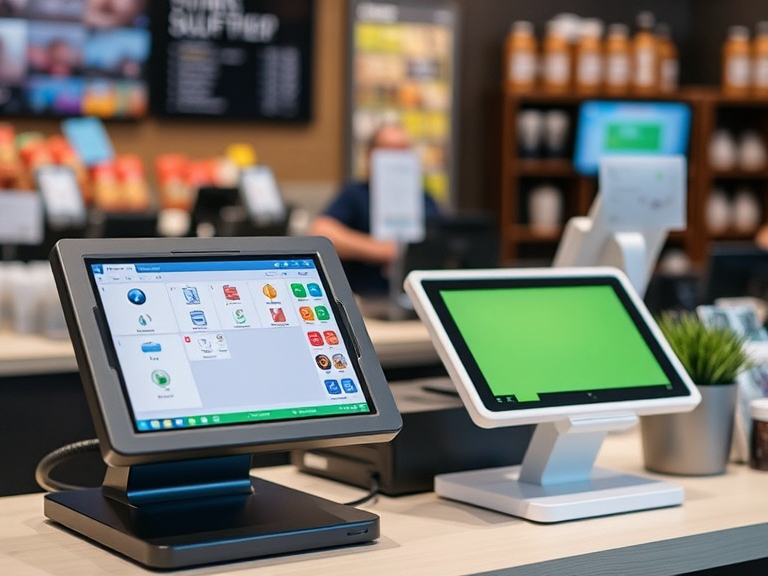
A Point of Sale (POS) system is the backbone of most businesses today, enabling seamless transactions between customers and businesses. Whether you run a retail store, restaurant, or any other service-oriented business, having a reliable POS system is essential for providing excellent customer service and managing your operations efficiently. However, to ensure your POS system operates at its best, it needs regular maintenance and support. In this article, we will explore the importance of POS system maintenance services, the benefits they offer, and the different types of services you can expect. Additionally, we will look at how to choose the best provider for your business’s needs.
What is a POS System and Why is Maintenance Crucial?
A POS system refers to the combination of hardware and software that businesses use to process transactions, manage inventory, and handle customer data. Modern POS systems typically include a touchscreen, a card reader, receipt printers, barcode scanners, and software that integrates with other business systems.
Regular POS system maintenance is critical to ensure that your system is operating efficiently and without interruptions. Neglecting maintenance can result in issues like slow transaction processing, system crashes, or even security vulnerabilities that could expose your business to data breaches. Whether it’s addressing software bugs or fixing hardware malfunctions, regular maintenance ensures that your POS system is always ready to serve customers and maintain smooth business operations.
The Key Benefits of POS System Maintenance Services
- Enhanced System Reliability: One of the most significant advantages of POS system maintenance is the improved reliability of your system. Regular maintenance reduces the likelihood of system failures, which can lead to downtime and loss of sales. By proactively addressing minor issues before they escalate into major problems, you can ensure that your POS system remains operational at all times.
- Improved Efficiency and Performance: Over time, POS systems can become slower due to software glitches, outdated hardware, or inefficient processes. Regular maintenance allows for system optimizations, including software updates and performance tweaks that improve transaction speeds and overall system responsiveness. This results in faster checkouts, better customer experiences, and more efficient operations.
- Prolonged Equipment Life: Hardware failures can be costly and disruptive. Regular POS hardware maintenance, such as cleaning, inspecting for wear and tear, and replacing parts when necessary, can extend the life of your equipment. By maintaining your POS terminals, barcode scanners, and printers, you reduce the need for expensive replacements and repair costs.
- Data Security and Compliance: POS systems are responsible for processing sensitive customer information, including credit card details. Regular security updates and vulnerability patches are essential to protect this data and ensure your business remains PCI-compliant. Maintenance services often include software updates that protect your system from cyber threats and keep your business in line with the latest security standards.
- Cost Savings: While POS maintenance services may seem like an added expense, they can actually save you money in the long run. By performing routine checkups and addressing small issues before they turn into costly repairs or replacements, you can avoid the expense of emergency service calls and equipment downtime. Preventive maintenance ensures that your system is always ready to handle transactions, preventing lost sales and boosting your business’s bottom line.
Common POS System Maintenance Tasks
- Hardware Maintenance
- Cleaning: Dust and debris can interfere with your POS hardware’s performance, especially with printers and card readers. Regular cleaning of the terminals, keyboards, scanners, and receipt printers ensures they work optimally.
- Inspection: Checking for physical wear and tear, such as frayed cables or damaged screens, helps prevent malfunctions during business hours.
- Replacement of Parts: When components like receipt printers, barcode scanners, or card readers begin to show signs of failure, timely replacement is essential to avoid downtime.
- Software Maintenance
- Updates: Software updates are necessary to fix bugs, improve functionality, and add new features. Regular updates also help to close security vulnerabilities, ensuring that your system remains safe from malware and cyber-attacks.
- Bug Fixes: Sometimes, software glitches can cause performance issues. Regular maintenance services will identify and fix these problems to keep your system running smoothly.
- Customizations: As your business grows, your POS system may need software customizations. Maintenance services can help tailor the software to meet the changing needs of your business.
- Network and Connectivity Checks
- Wi-Fi and Network Stability: A slow or unstable internet connection can disrupt transactions and lead to delays or errors. POS maintenance services ensure your network connections are stable and fast enough to handle continuous transactions without issues.
- Connection Troubleshooting: Regular testing and troubleshooting of the POS network connection will help identify and address any connectivity issues before they affect your business.
- Database Maintenance
- Backup and Recovery: Ensuring that your business data is regularly backed up is crucial for data security and continuity in case of system failure.
- Data Optimization: Over time, databases can become bloated and inefficient. Database maintenance involves optimizing your POS database for faster access and improved performance.
- Performance Monitoring and Troubleshooting
- Regular Monitoring: Monitoring the health of your POS system allows you to track system performance, detect potential issues, and optimize system settings to prevent downtime.
- Troubleshooting: Maintenance services often include troubleshooting features to identify and resolve problems quickly, keeping your POS system running at peak performance.
Types of POS System Maintenance Services
- On-Demand POS System Maintenance: On-demand maintenance services are ideal for businesses that experience occasional technical issues. This service involves contacting a POS maintenance provider when a problem arises. On-demand services are often more affordable but can result in longer downtime if issues are not addressed quickly.
- Scheduled Preventive Maintenance: For businesses that want to avoid unexpected issues, scheduled preventive maintenance is the best option. This involves regular visits from a technician who performs system checkups, software updates, and hardware inspections to ensure everything runs smoothly.
- Remote POS Support: Many maintenance providers offer remote support, which allows technicians to troubleshoot and resolve issues without needing to visit your location. This is particularly useful for software-related problems or troubleshooting basic connectivity issues.
- Comprehensive POS System Care Plans: A comprehensive service plan combines hardware and software support, data backup, performance monitoring, and security updates. Businesses that rely heavily on their POS systems may prefer this all-inclusive option, which offers peace of mind and proactive support.
How Often Should You Schedule POS System Maintenance?
The frequency of POS system maintenance depends on the type of business you run and the volume of transactions you handle. Here are some general guidelines:
- Daily Maintenance: Basic checks like clearing logs, ensuring there are no error messages, and ensuring your network connection is stable.
- Weekly Maintenance: Performing software updates, checking hardware functionality, and backing up critical business data.
- Monthly Maintenance: Inspecting hardware for wear and tear, performing a full system update, and ensuring that your database is optimized and secure.
- Quarterly Maintenance: Full system audits, security checks, and network evaluations.
Choosing the Right POS System Maintenance Provider
When selecting a POS system maintenance provider, consider the following factors:
- Expertise and Experience Choose a provider with a solid track record and experience in supporting POS systems for businesses similar to yours. This ensures that they understand the specific needs of your industry.
- Service Coverage and Availability Look for a provider that offers 24/7 support and fast response times, especially if your business operates around the clock.
- Customer Reviews and Testimonials Read customer reviews and case studies to ensure the provider is reliable and capable of delivering high-quality maintenance services.
- Pricing and Service Plans Compare service offerings and pricing. Ensure you get the best value for the services provided, and that the maintenance plan suits your budget and operational needs.
The Cost of POS System Maintenance Services
The cost of POS system maintenance can vary depending on factors such as the complexity of the system, the level of service required, and the frequency of maintenance. On average, businesses can expect to pay a flat rate for preventive maintenance or a per-incident fee for on-demand services. Comprehensive service plans may cost more upfront but provide significant long-term savings by reducing downtime and preventing costly repairs.
Conclusion
Investing in POS system maintenance services is an essential aspect of keeping your business running smoothly. By ensuring your system is updated, secure, and performing at its best, you reduce downtime, increase efficiency, and enhance the overall customer experience. With regular maintenance, your POS system will remain a reliable asset, helping your business to thrive.
From hardware inspections and software updates to security patches and data optimization, a professional POS maintenance service will help you stay ahead of potential issues. Don’t wait for your system to break down—schedule regular POS maintenance services to protect your investment and keep your operations running smoothly.