
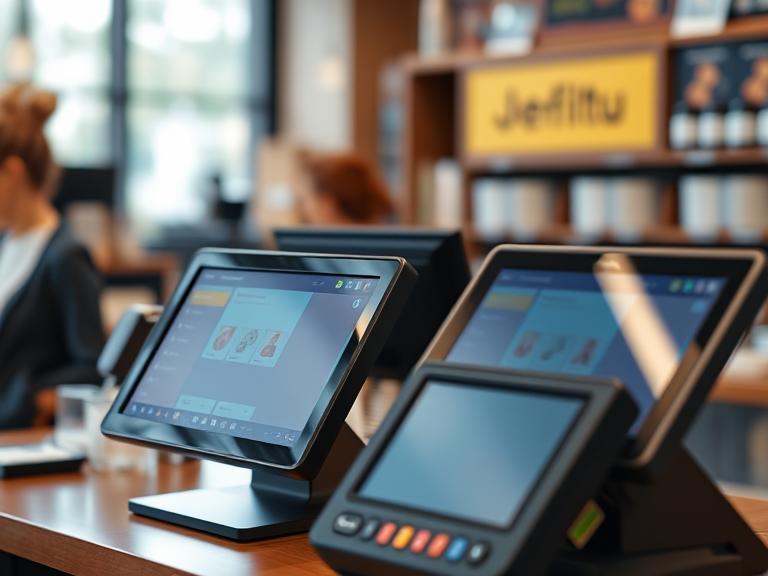
Businesses rely on point-of-sale (POS) systems to process transactions, manage sales, and store customer data. While these systems simplify payment processing, they also attract cybercriminals looking for weak security. One of the most effective ways to prevent data theft is encryption. Without it, sensitive details such as credit card numbers and personal information remain exposed.
Many companies fail to recognize the risks until they experience a breach. Hackers often target unprotected POS networks, stealing data that leads to financial losses and reputation damage. Encrypting information makes it unreadable to unauthorized users, providing a strong defense against cyberattacks.
What is Data Encryption?
Encryption transforms readable data into an unreadable format using algorithms. Only those with the correct decryption key can access the original information. In a POS system, encryption safeguards payment details during transactions, making it useless to hackers.
Two common encryption types include:
- Symmetric encryption – Uses a single key for encryption and decryption. While fast and efficient, it requires secure key management to prevent unauthorized access.
- Asymmetric encryption – Uses a pair of keys: one for encryption and another for decryption. This method adds security but can slow down processing due to its complexity.
POS systems rely on encryption to prevent intercepted data from being misused. Without this security layer, businesses put themselves and their customers at risk.
Why Data Encryption is Critical for POS Systems
Cybercriminals constantly seek vulnerabilities in payment systems. A single breach can expose thousands of customer records, leading to fraudulent charges and legal consequences. Encrypting data before it travels through a network minimizes these risks.
Protecting customer data strengthens trust. People want to know their payment details remain safe when shopping. A breach erodes confidence, often pushing customers toward competitors with better security.
Regulatory compliance adds another layer of importance. Payment Card Industry Data Security Standard (PCI DSS) guidelines require businesses to encrypt cardholder data. Failing to meet these standards can result in hefty fines, legal action, or loss of payment processing privileges.
Common Security Risks Without Encryption in POS Systems
A POS system without encryption acts as an open door for cybercriminals. Some of the most common risks include:
- Data breaches – Hackers exploit weaknesses to steal payment details, personal data, and even business records.
- Malware attacks – Cybercriminals install malicious software designed to capture sensitive information from payment terminals.
- Man-in-the-middle attacks – Criminals intercept unencrypted data as it moves between the POS terminal and payment processor.
- Internal fraud – Employees with access to unsecured data may misuse customer information for personal gain.
Each of these threats carries financial and reputational consequences. Encryption reduces the likelihood of these risks by securing data at every step.
How POS Data Encryption Works
Data encryption protects information from the moment it enters a POS system until it reaches the payment processor. Two primary encryption methods used in POS security include:
- End-to-End Encryption (E2EE) – Encrypts data at the start of the transaction and keeps it encrypted until it reaches the processor. This method prevents any intermediary from accessing sensitive details.
- Point-to-Point Encryption (P2PE) – Secures data from the POS device to the payment processor, ensuring hackers cannot capture it in transit.
Secure Sockets Layer (SSL) and Transport Layer Security (TLS) also play roles in encrypting internet-based transactions. These protocols encrypt data sent between POS terminals and remote servers, adding another layer of protection.
Key Benefits of Using an Encrypted POS System
Encrypting data improves security by making stolen information useless to attackers. Businesses that implement strong encryption protocols experience fewer breaches and avoid costly penalties. Other advantages include:
- Regulatory compliance – Meeting PCI DSS and other security standards prevents fines and legal trouble.
- Protection against financial losses – Data breaches lead to chargebacks, fines, and lawsuits. Encryption helps prevent these costly outcomes.
- Customer confidence – Secure transactions encourage repeat business by reassuring customers their payment details remain safe.
Choosing the Right POS System with Strong Encryption
Not all POS systems offer the same level of security. When evaluating options, businesses should look for systems that include:
- P2PE or E2EE encryption – Encrypting data at every stage prevents interception.
- Tokenization – Replaces sensitive card details with randomly generated tokens, reducing exposure.
- Secure authentication methods – Multi-factor authentication (MFA) prevents unauthorized access.
- Regular software updates – Patching vulnerabilities reduces security risks.
Cloud-based and on-premise POS systems each have unique security considerations. Cloud solutions often include built-in encryption, while on-premise systems require businesses to manage encryption protocols themselves. Choosing a system that prioritizes security reduces long-term risks.
Best Practices for Securing Your POS System
Encrypting data is only one part of a broader security strategy. Additional steps help businesses protect their systems from cyber threats:
- Keep software up to date – Install security patches and firmware updates to close vulnerabilities.
- Use multi-factor authentication – Require multiple verification steps for system access.
- Secure network connections – Avoid using public Wi-Fi or unsecured networks for POS transactions.
- Conduct regular security audits – Identify and fix weak points before hackers exploit them.
By combining encryption with strong security practices, businesses reduce the chances of data breaches and fraud.
Conclusion
Encrypting data within a POS system is not optional—it’s a necessity. Cybercriminals continuously develop new ways to steal sensitive information, and businesses without encryption remain easy targets. Protecting customer payment details builds trust, prevents financial losses, and keeps companies compliant with industry regulations.
Businesses that prioritize security reduce the likelihood of breaches. Choosing a POS system with strong encryption, maintaining updated software, and following security best practices all contribute to a safer payment environment. The effort put into securing transactions today prevents costly consequences in the future.
FAQs
- Why is data encryption important for POS systems?
Encryption protects sensitive customer data from cybercriminals, preventing fraud and unauthorized access. - What is the difference between P2PE and E2EE in POS security?
P2PE encrypts data from the POS device to the payment processor, while E2EE keeps it encrypted throughout the entire transaction process. - How does encryption help with PCI DSS compliance?
PCI DSS requires businesses to secure cardholder data, and encryption helps meet these security standards by making intercepted data unreadable. - Can encryption prevent all types of POS cyberattacks?
While encryption greatly reduces risk, businesses should also use multi-factor authentication, regular software updates, and network security measures. - What features should I look for in a secure POS system?
Choose a system with strong encryption, tokenization, secure authentication methods, and regular security updates to minimize threats.