
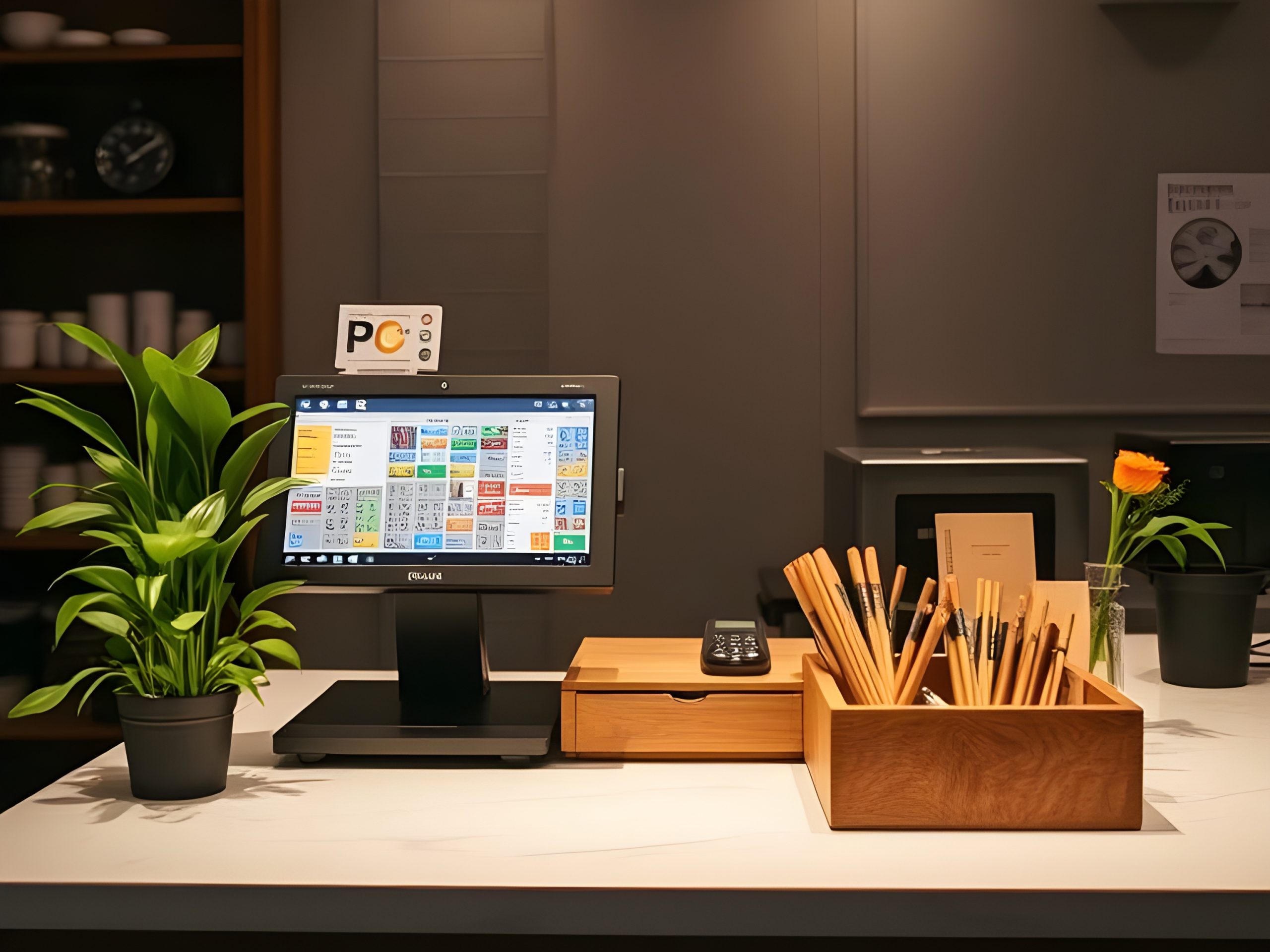
When selecting custom POS solutions for different industries, it’s important to pick a system that fits your business needs. Every industry comes with its own unique challenges, whether it’s managing large inventories in retail or handling complex orders in a restaurant. A system designed for your business can help keep things running smoothly and reduce unnecessary complexities.
What is a Custom POS System?
A custom POS system is a specialized software solution designed to meet the unique needs of businesses in different industries. Unlike standard POS systems, custom options allow businesses to select features and tools that best support their daily operations. For instance, a POS system for retail may focus more on inventory management, while a POS system for restaurants might prioritize order tracking and table management.
When you choose a custom POS solution, you’re not just getting a basic register for sales. You’re investing in a system that can handle everything from inventory to customer data, helping you run your business smoothly.
Why Are Custom POS Systems Important?
Choosing a custom POS system for your business makes managing your day-to-day tasks simpler. A generic POS system may not provide the features your industry needs. By opting for a custom solution, you can get tools that are designed specifically for your type of business.
For example, businesses in the hospitality industry need systems that handle reservations, orders, and table management. On the other hand, a POS system for retail focuses on things like stock tracking, customer loyalty, and quick transactions. Custom POS systems help you save time, reduce errors, and improve overall customer experience.
Choosing the Right POS System for Your Business
When selecting a custom POS system, several factors should influence your decision:
- Industry-Specific Features: Choose a POS system that includes the features necessary for your type of business. Retail POS systems often include inventory management, barcode scanning, and customer management tools, while restaurant POS systems may offer table layouts, online ordering, and bill splitting capabilities.
- User-Friendly Interface: The easier the system is to use, the faster your employees can adapt. An intuitive POS solution is crucial for minimizing training time and errors.
- Payment Options: Ensure the POS system supports all types of payments your business accepts, such as credit cards, mobile payments, or even gift cards. The more payment options it supports, the better for your customers.
- Integration with Other Software: A good custom POS system integrates smoothly with accounting software, CRM systems, and inventory management tools. This makes it easier to manage your business as a whole.
- Cost: Custom POS solutions can vary in price. Be sure to choose one that fits your budget without sacrificing necessary features. Some systems charge monthly fees, while others may have a one-time cost.
Benefits of Custom POS Systems
- Increased Efficiency: A custom POS system allows businesses to automate many daily tasks like inventory tracking, sales processing, and customer data management, freeing up more time for employees to focus on customers.
- Improved Customer Experience: With better tools in place, customers enjoy faster transactions, more accurate orders, and the convenience of various payment methods. A happy customer is a repeat customer.
- Data Insights: Custom POS systems provide valuable data and analytics that help you understand your business’s performance. These insights can guide inventory purchases, sales strategies, and marketing efforts.
- Scalability: As your business grows, a custom POS system can scale with you. Whether you’re opening new locations or expanding your product range, a flexible POS system adapts to your evolving needs.
- Security: A custom POS solution provides stronger protection for your data, including payment information, customer profiles, and inventory records. This is especially important in industries that handle sensitive information.
Custom POS Systems for Retail Businesses
A POS system for retail needs to support several key functions that ensure smooth operations. Retailers need a system that can handle transactions quickly, manage inventory levels, and track customer preferences.
Here are some features that a custom POS system should include for retail businesses:
- Inventory Management: One of the most critical functions of a retail POS system is inventory tracking. With a custom POS system, retailers can keep real-time tabs on stock levels, reduce shrinkage, and reorder products before they run out.
- Sales Analytics: A POS system for retail generates reports that show sales trends, top-performing products, and customer buying habits. This data helps you make informed decisions about your product offerings and marketing strategies.
- Customer Management: A good retail POS system allows businesses to track customer information, making it easier to provide personalized service. This could include loyalty programs, personalized discounts, and targeted promotions.
- Multi-location Support: If your retail business has more than one location, you’ll want a POS system that can sync across multiple sites. A custom POS solution can help you manage all locations from a single dashboard.
Custom POS Systems for Restaurants
The restaurant industry relies on a POS system that goes beyond simple transactions. A custom POS system for restaurants needs to support order taking, table management, and seamless integration with kitchen operations.
Here’s what a custom restaurant POS system should offer:
- Order Management: A restaurant POS system should allow servers to take orders easily and send them directly to the kitchen. It should also allow for customization, such as dietary restrictions or special instructions.
- Table Management: Managing seating arrangements and reservations is a must in a busy restaurant. A custom POS system for restaurants should have a visual layout that shows table availability in real-time.
- Bill Splitting: Customers often request to split bills when dining out. A custom POS system should easily handle bill splitting, making it easier for customers to pay their portion.
- Inventory Management: Just like in retail, managing ingredients and stock is crucial in a restaurant. A custom POS solution can help you track inventory in real-time, so you never run out of critical ingredients.
- Employee Management: A good restaurant POS system allows for tracking employee shifts, tips, and performance. This is essential for managing payroll and improving team efficiency.
Custom POS Solutions for the Hospitality Industry
The hospitality industry includes businesses like hotels, motels, and event centers, all of which require specialized POS systems. A custom POS solution for the hospitality sector needs to handle booking, reservations, and guest services, in addition to sales.
Some key features of a custom POS system for hospitality include:
- Reservation Management: A POS system for the hospitality industry should be able to track room availability, handle bookings, and manage guest preferences.
- Guest Billing: Custom POS systems for hotels and resorts need to manage guest check-ins, check-outs, and billing. They should also allow for additional charges, like room service, spa visits, or event fees.
- Multiple Payment Options: Hospitality businesses often deal with large groups, multiple guests, and various payment methods. A custom POS solution can handle these complexities, ensuring smooth transactions.
- Inventory and Stock Management: Hotels and resorts must manage supplies for rooms, restaurants, and amenities. A custom POS system can track all these inventories, keeping you well-stocked without over-ordering.
- Integration with Other Hotel Systems: Custom POS solutions for hospitality can integrate with booking platforms, customer service tools, and other hospitality-specific software to make operations more efficient.
Custom POS Systems for Service-Based Businesses
For service-based businesses like salons, spas, or fitness centers, a POS system must focus on appointments, customer management, and service-specific transactions. Here’s what to look for:
- Appointment Scheduling: A POS system for service businesses should include tools to book and manage appointments, both online and in-person.
- Service Packages: Many service businesses offer packages (like a set number of haircuts or massages). A custom POS system should be able to handle these and track usage.
- Customer Profiles: Just as in retail, keeping track of customer information is crucial. This includes services provided, preferences, and any special offers they’ve used.
- Payment Flexibility: Service businesses often need to take deposits or prepayments. A custom POS system can handle these requirements, along with options for tips, memberships, or subscriptions.
- Employee Scheduling: Service businesses usually have a high turnover of staff. A POS system should help with scheduling, payroll, and commission tracking.
How to Get Started with Custom POS Solutions
Getting started with a custom POS system is easier than you might think. Here’s a simple process:
- Evaluate Your Needs: Start by analyzing the specific needs of your business. Think about the challenges you face daily and the features that could help solve those issues.
- Research Providers: Look for providers that specialize in custom POS solutions for your industry. Check reviews, request demos, and compare pricing.
- Implementation: Once you’ve chosen a provider, the next step is to set up the system. Ensure your employees are trained and that the system is integrated with any other tools you use.
- Ongoing Support: After setup, choose a provider that offers ongoing support to address any issues that may arise. This ensures your POS system runs smoothly over time.
Conclusion
Custom POS solutions for different industries are essential for businesses that want to improve their operations and provide the best customer experience. Whether you’re in retail, hospitality, or service-based industries, a POS system tailored to your needs can make a significant difference. By selecting the right features and ensuring proper implementation, you can run your business more efficiently and stay ahead of the competition.
If you’re looking to boost your business, choosing the right custom POS system is one of the best steps you can take.
FAQs
1. What is a custom POS system?
A custom POS system is a Point of Sale solution designed specifically for your business’s needs, offering features that cater to the particular demands of industries like retail, hospitality, or services.
2. How does a custom POS system benefit retail businesses?
Custom POS systems for retail businesses help manage inventory, track sales, and improve customer service, making it easier to run daily operations and provide a better shopping experience.
3. What features should a restaurant POS system have?
A restaurant POS system should include order management, table layouts, bill splitting, and inventory tracking to handle customer orders and improve restaurant operations.
4. How does a custom POS system improve customer service?
A custom POS system helps businesses provide quicker transactions, accurate orders, and better tracking of customer preferences, which all contribute to a more positive customer experience.
5. Can a custom POS system grow with my business?
Yes, a custom POS system can scale as your business expands, adding new features or managing multiple locations without compromising on efficiency or customer service.