
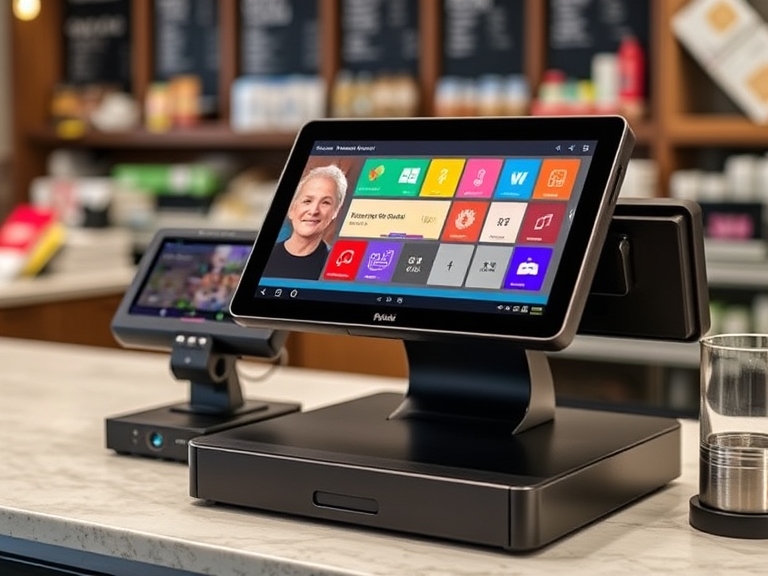
In the modern world, where digital payments and electronic transactions have become the norm, understanding the term POS transaction is crucial. Whether you’re shopping in-store, making a purchase online, or paying for a service, POS transactions play a significant role in how money changes hands. But what exactly is a POS transaction, how does it work, and what are the benefits for businesses and consumers?
In this article, we’ll dive into everything you need to know about POS transactions, including the various types, their benefits, the process behind them, and how they compare with other payment methods.
What is a POS Transaction?
A POS (Point of Sale) transaction is a payment transaction that occurs when a customer makes a purchase through a point-of-sale system. The point of sale refers to the time and place where a retail transaction is completed, and payment is processed for goods or services. This system could be anything from a physical register in a brick-and-mortar store to a mobile device or an online shopping platform.
How Does a POS Transaction Work?
The POS transaction process is straightforward but involves multiple stages to ensure security, accuracy, and efficiency. Here’s a breakdown of how it works:
- Initiating the Transaction: The customer selects the items they want to purchase and proceeds to the checkout counter or payment page.
- Payment Method Selection: The customer chooses how they want to pay—via a credit card, debit card, mobile wallet, or cash.
- Authorization Request: The POS system sends the transaction information to the payment processor or bank for authorization. This includes details like the card number, amount, and merchant information.
- Transaction Approval: The payment processor communicates with the customer’s bank or card issuer to check if there are sufficient funds or credit. If the payment is approved, the transaction continues.
- Payment Confirmation: Once the payment is approved, the funds are transferred from the customer’s bank account to the merchant’s account.
- Receipt Generation: The POS system generates a receipt for the customer, completing the transaction.
Key Components of a POS System
A POS transaction is powered by multiple components working together to facilitate a seamless payment process. These include:
- POS Terminal: This is the hardware (physical or digital) that processes the payment. It can be a register, tablet, or mobile device.
- Payment Processor: The intermediary that manages the transfer of payment details between the merchant’s bank and the customer’s bank.
- Merchant Account: This account stores the funds received from customer payments and makes the transactions available to the merchant.
- Payment Gateway: In online transactions, the payment gateway handles data encryption and securely transmits the transaction data.
Types of POS Transactions
POS transactions come in various forms depending on how the payment is made. Let’s explore the most common types:
1. Card-Based POS Transactions
- Credit Card Payments: When a customer uses a credit card, the POS terminal reads the card’s information and authorizes the payment through the card issuer.
- Debit Card Payments: Similar to credit cards, but the funds are withdrawn directly from the customer’s checking account.
- Contactless Payments: With the rise of NFC technology, many POS systems now allow customers to pay by simply tapping their card or mobile device on the terminal. This is known as “tap-to-pay” or contactless payment.
2. Mobile POS Transactions
Mobile payment options like Apple Pay, Google Pay, and Samsung Pay allow customers to make payments directly from their smartphones. These mobile wallet systems securely store card information and use near-field communication (NFC) to complete the transaction at the POS terminal.
3. Cash Transactions
Although digital payments are on the rise, cash transactions are still commonly processed through POS systems, especially in smaller businesses. Cash payments involve physically handing over currency to the cashier, who will process the payment and issue a receipt.
4. Online POS Transactions
E-commerce POS transactions occur when customers purchase goods or services online through a website or mobile app. These transactions are facilitated by an online payment gateway and do not require a physical point-of-sale terminal.
5. Recurring POS Transactions
Recurring transactions are typically used for subscriptions or services where the same amount is billed on a regular basis (e.g., monthly or annually). These can be processed automatically through a POS system, which saves time for both businesses and customers.
Benefits of POS Transactions
POS transactions offer numerous advantages, both for businesses and consumers. Let’s explore some of the key benefits:
1. Increased Efficiency
POS transactions streamline the checkout process, allowing customers to complete their purchases quickly and efficiently. This efficiency is particularly important in high-traffic environments like retail stores and restaurants, where long lines can lead to customer frustration.
2. Improved Payment Security
POS systems incorporate advanced encryption and fraud detection tools to protect both merchants and consumers. With features like EMV chip technology, tokenization, and two-factor authentication, POS transactions are among the most secure payment methods available today.
3. Better Accuracy and Record-Keeping
Traditional cash registers and manual record-keeping are prone to human error. POS systems automatically calculate totals, apply discounts, and generate receipts, ensuring greater accuracy. Furthermore, POS systems provide detailed transaction reports, making it easier for businesses to track sales and manage inventory.
4. Global Payment Compatibility
With the growing use of international cards and mobile wallets, POS systems enable businesses to accept payments from customers worldwide. This allows merchants to expand their customer base and cater to the needs of travelers or international clients.
5. Enhanced Customer Experience
A seamless POS transaction creates a positive experience for the customer. Features like loyalty programs, easy returns, and personalized recommendations can be integrated into the POS system to foster customer loyalty and improve satisfaction.
Common Issues with POS Transactions
While POS transactions are generally secure and efficient, there are a few common issues that both consumers and businesses may encounter:
1. Transaction Declines
Transactions can be declined for various reasons, such as insufficient funds, expired cards, or security concerns. Businesses should ensure their POS system is capable of quickly notifying customers of any issues, preventing frustration at the checkout.
2. Payment Errors
Errors such as overcharging or duplicate transactions can occur, especially if the POS system is outdated or poorly maintained. In these cases, merchants must issue refunds or void the transaction to resolve the issue.
3. Hardware or Software Failures
Technical issues with the POS terminal or the payment processor can result in delays or transaction failures. Regular maintenance and updates to both hardware and software are essential to keep the POS system running smoothly.
4. Fraudulent Transactions
Despite advanced security measures, fraud can still occur in POS transactions. Card skimming, chargebacks, and identity theft are common threats. Businesses should regularly audit their systems and educate employees on recognizing fraudulent activity.
POS Transactions vs. Other Payment Methods
POS Transactions vs. Mobile Payments
While mobile payments (like Apple Pay and Google Pay) are a type of POS transaction, they operate differently. Mobile payments are made using a smartphone, whereas traditional POS transactions often involve a physical card or cash.
POS Transactions vs. Bank Transfers
Unlike POS transactions, bank transfers involve direct transfers between banks and can take longer to process. POS transactions, on the other hand, are typically instantaneous, allowing for quicker exchanges of goods and services.
POS Transactions vs. Peer-to-Peer (P2P) Payments
P2P payments like PayPal and Venmo allow individuals to transfer money directly to one another. While they are useful for personal transactions, they are not designed for retail settings and do not typically provide the same level of security or integration with inventory and point-of-sale systems.
How POS Transactions Benefit Consumers
1. Convenience
With POS transactions, consumers can choose from a variety of payment options, from credit cards to mobile wallets. This flexibility makes it easier to pay for goods and services, whether online or in-store.
2. Speed
POS systems make checkouts fast and efficient. Contactless payments and mobile wallet integrations further speed up the transaction process, reducing wait times for customers.
3. Security
The security features of POS systems, including encryption and EMV chip technology, ensure that consumers’ payment information is protected during transactions.
How POS Transactions Benefit Merchants
1. Improved Cash Flow
POS transactions allow businesses to receive payments quickly and securely. This is especially beneficial for businesses that deal with large volumes of sales or require immediate payment processing.
2. Access to Data and Analytics
POS systems track and record every transaction, providing valuable data on customer behavior, sales trends, and inventory management. Merchants can use this data to make informed business decisions and optimize their operations.
3. Integration with Other Systems
Many modern POS systems can integrate with accounting software, CRM tools, and inventory management systems, helping businesses streamline their operations.
Future Trends in POS Transactions
As technology continues to evolve, POS transactions are expected to become even more advanced. Contactless payments, mobile POS systems, and artificial intelligence are already changing the landscape of retail transactions. In the future, we may see blockchain technology being implemented to further enhance security and transparency in POS transactions.
Conclusion
Understanding what is a POS transaction and how it works is essential for both consumers and businesses. POS transactions streamline the payment process, increase security, and provide numerous benefits to both parties. With advancements in technology, the future of POS transactions looks even more promising, offering more efficient, secure, and convenient payment solutions.
By adopting the right POS system, businesses can not only improve their operational efficiency but also enhance the customer experience, leading to greater satisfaction and loyalty.
FAQs
- What is a POS transaction? A POS transaction is a payment process that occurs at the point of sale, where a customer purchases goods or services using a card, mobile wallet, or cash.
- How does a POS transaction work? The customer selects items, chooses a payment method, and the POS system processes the payment by communicating with the payment processor for authorization.
- What types of POS transactions are there? Types include card payments (credit/debit), mobile wallet payments, cash payments, online transactions, and recurring payments.
- Are POS transactions secure? Yes, POS transactions are secure due to encryption, EMV chip technology, and fraud prevention measures that protect payment information.
- What are the benefits of POS transactions for businesses? POS transactions improve efficiency, ensure accurate record-keeping, provide payment security, and integrate with inventory and analytics tools.